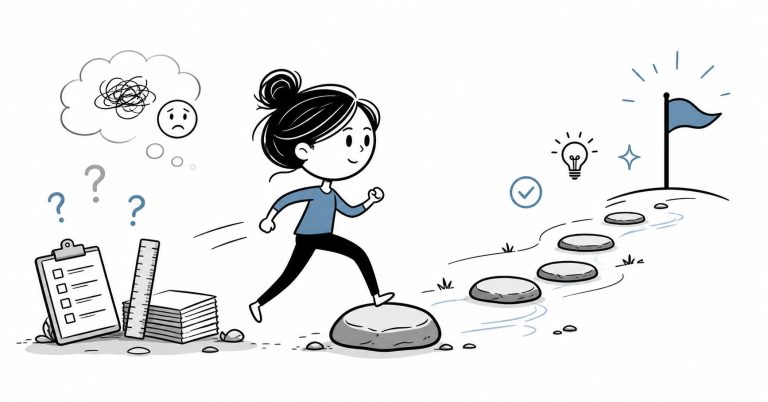
Most people think routine kills creativity. The truth? It fuels it.

When your days feel scattered, your mind becomes scattered too. Every decision drains a little more mental energy—what to wear, when to start, what to focus on. By noon, most people are mentally exhausted before they ever get to what truly matters.
This is where routine becomes your quiet superpower. It gives your mind structure so your creativity, clarity, and purpose can actually breathe.
And the research backs this up.
Why Routine Reduces Decision Fatigue (and Why That Matters)
Decision fatigue is real. Studies show that the more decisions you make throughout the day, the poorer your choices become.
- A review in Social and Personality Psychology Compass found that repeated decision-making depletes self-control and increases impulsive choices.
- The Decision Lab reports that “the quality of our decision-making declines as the day goes on,” especially when your brain is juggling too many small decisions.
Your brain has a limited decision-making “battery.” Routines protect that battery.
When certain parts of your day are automatic—morning ritual, meals, gym time—you conserve mental energy for bigger, meaningful decisions:
- planning your future
- building a business
- writing
- problem-solving
- connecting with your calling
Routine creates predictability, and predictability preserves cognitive power.
How Routine Boosts Creativity (Yes, Really)
Creativity isn’t about constant inspiration—it’s about consistent conditions that allow inspiration to show up.
Research from the APA shows that creativity becomes easier when habits and structures reduce mental clutter.
Another study (2023, Journal of Business Research) found that routines actually increase creative output when they reduce cognitive load and free the brain for deeper work.
Here’s why:
- Routine reduces “mental switching.”
- Your brain enters flow faster when activities start at the same time in the same context.
- Predictable structure lowers stress, and lower stress increases creative flexibility.
Great thinkers and creators understood this.
Writers, inventors, artists—most had consistent daily routines that protected their mind from noise and decision overload.
Routine isn’t the enemy of creativity.
It’s the platform creativity stands on.
How Routine Supports Long-Term Success
Success is rarely about one big moment. It’s about the repeated small behaviours that compound over time.
Routine gives you:
1. Consistency
Motivation comes and goes. Routine carries you when motivation doesn’t show up.
2. Emotional stability
Predictable structure reduces anxiety and stress, which improves focus and emotional resilience.
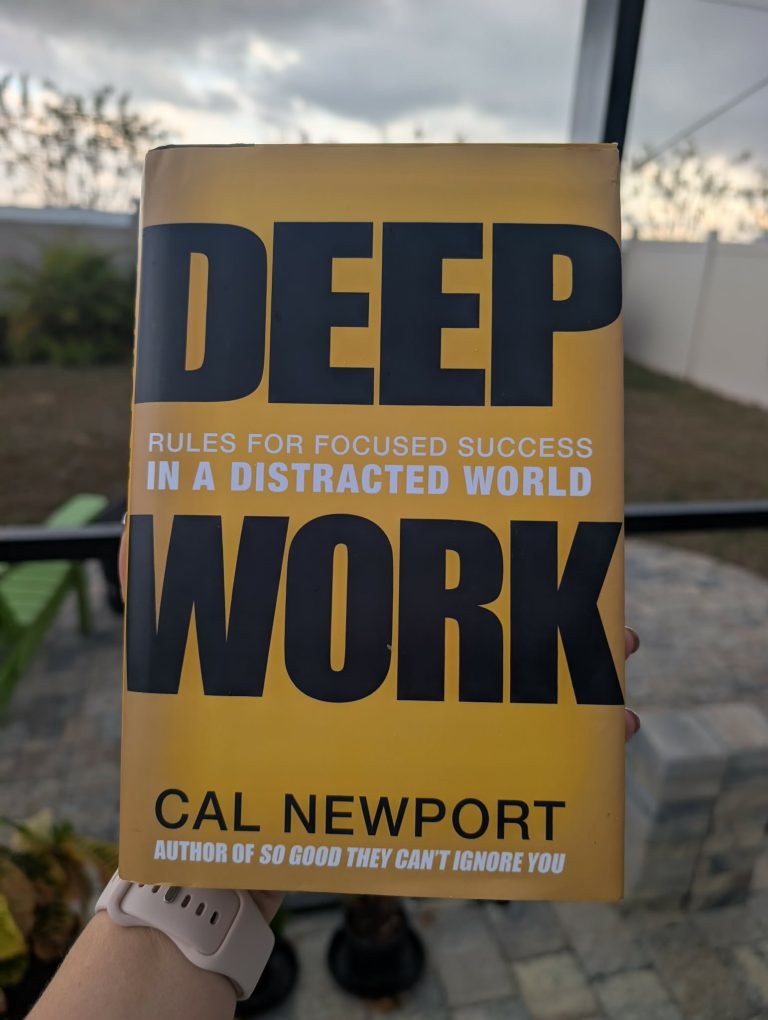
3. More time for “deep work”
When the basics are automatic, you can concentrate on high-impact tasks that move you toward your purpose.
4. Better health
Routine anchors sleep, nutrition, movement, and recovery—all critical for performance and clarity.
5. Alignment with your purpose
Routine builds identity: you become someone who consistently shows up for the life you’re creating.
How to Build a Routine That Actually Works
Here are simple, practical, psychology-backed ways to build a routine that supports your creativity, peace, and purpose.
1. Start with ONE anchor habit
Instead of redesigning your entire life in a week, choose one anchor:
- Morning reflection
- 10-minute movement
- A set writing time
- A nightly wind-down
Make it small, make it easy, make it repeatable.
BJ Fogg’s research on habit formation shows tiny habits create the strongest long-term results.
2. Pick stable time cues
Your brain loves consistency.
Choose a cue like:
- “After I make coffee…”
- “After my shower…”
- “Right when I sit at my desk…”
Cue → Action → Reward
This is how habits become automatic.
3. Reduce the number of decisions
Create templates, rhythms, and defaults:
- Prep outfits for the week
- Eat similar breakfasts
- Schedule weekly planning
- Have a set gym time
- Set “no-decision zones” during your day
Simplify the small so you can focus on the meaningful.
4. Protect your first 60 minutes
Your morning sets your mental tone.
Use the first hour for clarity, not chaos:
- Reflection
- Prayer or journaling
- Writing down your purpose
- Reviewing your top focus for the day
- Light movement or stretching
This alone can shift your mindset for the entire day.
5. Build creative structure (not creative rigidity)
Creativity thrives when:
- you start at a predictable time
- your environment is consistent
- you know your process
But leave space for flexibility.
Add a “creative play block” weekly for exploring new ideas, unplanned thinking, or inspiration.
6. Add a calming evening routine
Your brain needs predictability to unwind.
Examples:
- Light cleanup
- Warm drink
- Stretching
- Gratitude journaling
- Choosing tomorrow’s focus
This helps reduce stress and improves sleep quality, which boosts creativity and decision-making the next day.
7. Review and adjust monthly
Your routine should serve you, not the other way around.
Ask yourself:
- What is helping me feel more focused?
- What feels heavy or draining?
- What moved me closer to my purpose this month?
- What needs to shift as my life shifts?
A routine is a living structure—designed to support your season, energy, and goals.
Final Thought: Routine Creates the Freedom You’re Looking For
People often resist routine because they think it will make life boring or rigid.
In reality, routine brings freedom.
Freedom from mental clutter.
Freedom from decision fatigue.
Freedom from overwhelm.
Freedom to be creative.
Freedom to focus on what truly matters.
When your days have structure, your mind has space.
And when your mind has space, you can finally hear the direction God is leading you.
You cannot solve what you have not named.
Why You’re Still Stuck (It’s Not What You Think)
7 questions. Uncomfortably accurate. This is not a personality quiz. It is a diagnosis.
TAKE THE QUIZ →